Configure your reader through a web interface, combine RFID reads with photocell events and send passing data to your timing software.
CronoNET is embedded software for Impinj Speedway readers, designed for sports timing and recording passing events. It runs on the reader and provides a web interface for configuring RFID reads, antennas, GPIO and time synchronisation.
Send tag reads to up to two independent destinations using TCP, TCP SSL, HTTP/HTTPS POST, UDP, MQTT or MQTT SSL. Integration options also include Elite, Slave, Wiclax and Race Result.
Configure the minimum time between RFID reads and the passage sending interval.
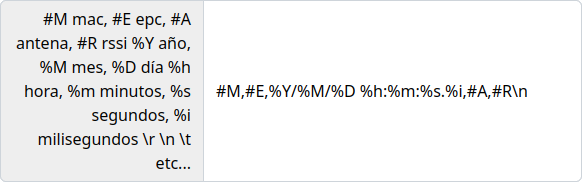
Configure the output format of RFID data sent to each destination.
Combine RFID reads with GPIO time capture, for example when a photocell is triggered.
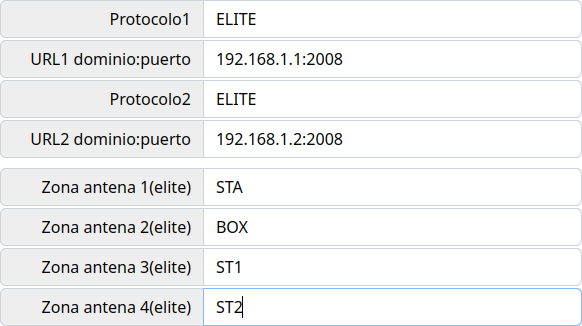
Send passages to Elite-compatible software from up to two independent destinations.
Run several Impinj readers in Slave mode coordinated by one master device.
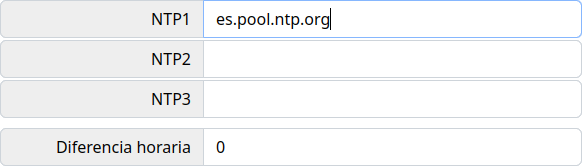
Configure NTP servers or time offset to keep the system clock aligned.
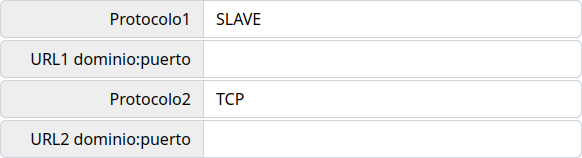
Configure up to two independent outputs with TCP, TCP SSL, HTTP/HTTPS POST, UDP, MQTT/MQTT SSL, Elite, Slave, Wiclax and Race Result.
Store pending or non-notified data on USB to improve service continuity.
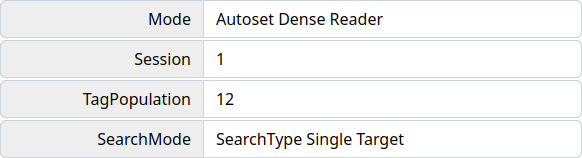
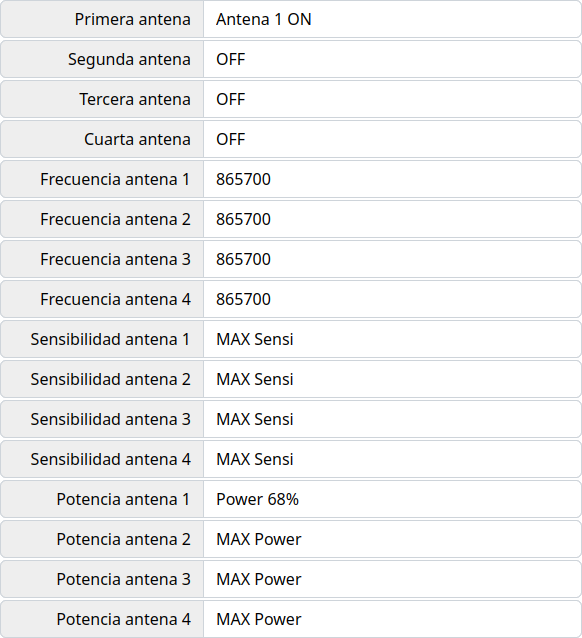
Quickly adjust the Impinj reader RFID reading parameters.
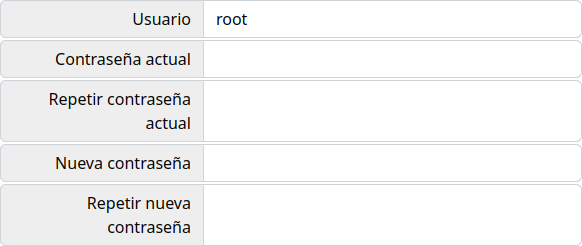
Easily configure access to the Impinj reader.
Configure GPIO inputs for external events such as photocells or other digital signals.
Adjust each antenna and its reading parameters from the web interface.
| Permanent license for CronoNet (version available at the time) | 125€ |
| Remote control | [5€-22€]* Depending on the hired days |
| CronoNet rental license | [11€-44€]* Depending on the hired days |
CronoNET is developed in C++ to run as embedded software on compatible readers. If you need another feature, an output protocol or a specific integration, describe your hardware and intended use in the contact form. Feasibility and scope are assessed for each project.
CronoNET targets the Impinj Speedway range. Compatibility depends on the reader model and firmware. Before installing it on an R700, R720 or another reader, contact us with the model and firmware version to confirm compatibility.
Configure up to two independent destinations using TCP, TCP SSL, HTTP/HTTPS POST, UDP, MQTT or MQTT SSL. This page also describes the Elite, Slave, Wiclax and Race Result options.
Yes. GPIO inputs accept external signals, such as a photocell beam interruption, which can be combined with RFID reads. Check your reader settings and electrical connections before installation.
Open Downloads and licences to review the available options. The pricing table distinguishes a permanent licence for the available version, rental by period and remote management. Confirm hardware compatibility before purchasing if you are unsure.